
Evaluating building safety requires meticulous planning, precise execution, and a clear understanding of regulatory standards to minimize health risks. Modern property management relies heavily on structured evaluations to ensure that hazardous materials are identified before maintenance, renovation, or demolition activities take place. Utilizing a comprehensive asbestos testing service checklist allows professionals to systematically assess structure conditions, verify potential hazards, and implement necessary control protocols. Through disciplined methodologies, qualified specialists help building owners navigate complex safety requirements while protecting occupants and maintenance personnel from hazardous airborne fibers.
Proper planning and oversight serve as the foundation for any successful environmental health strategy in residential and commercial spaces. Establishing clear procedures ensures that every square foot of a facility receives equal scrutiny during an initial assessment. When facility managers prioritize structured protocols, they significantly lower the chances of accidental material disturbance and subsequent airborne contamination. Engaging a certified asbestos testing service ensures that every stage of the process, from initial document review to final laboratory analysis, aligns with state and federal safety mandates.
Reviewing Historical Property Documentation and Records
Evaluating historical construction documents serves as the critical first step in determining where dangerous materials might reside inside a structure. Architectural blueprints, previous renovation logs, maintenance records, and past environmental assessments reveal valuable details about the specific building materials used during original construction. Properties constructed during peak industrial usage periods frequently contain hazardous insulation, specialized pipe wrapping, textured wall coatings, or vinyl floor tiles. By thoroughly examining these records prior to walking through a facility, certified inspectors can pinpoint high-risk zones, track historical material modifications, and design a targeted site survey that maximizes both efficiency and safety.
Synthesizing historical documentation also prevents unnecessary material damage during the visual inspection and sampling phases. Understanding whether a facility underwent past abatement or partial remediation helps technical teams avoid resampling areas that were previously cleared or restored. Furthermore, cross-referencing maintenance logs with structural modifications allows specialists to identify hidden renovation layers that might harbor concealed hazards behind newer drywall or drop ceilings. A comprehensive paper trail enables an asbestos testing service team to establish a clear timeline of property modifications, ensuring no potential hazard goes unnoticed during physical site walkthroughs.
Identifying High Risk Air Quality Zones and Materials
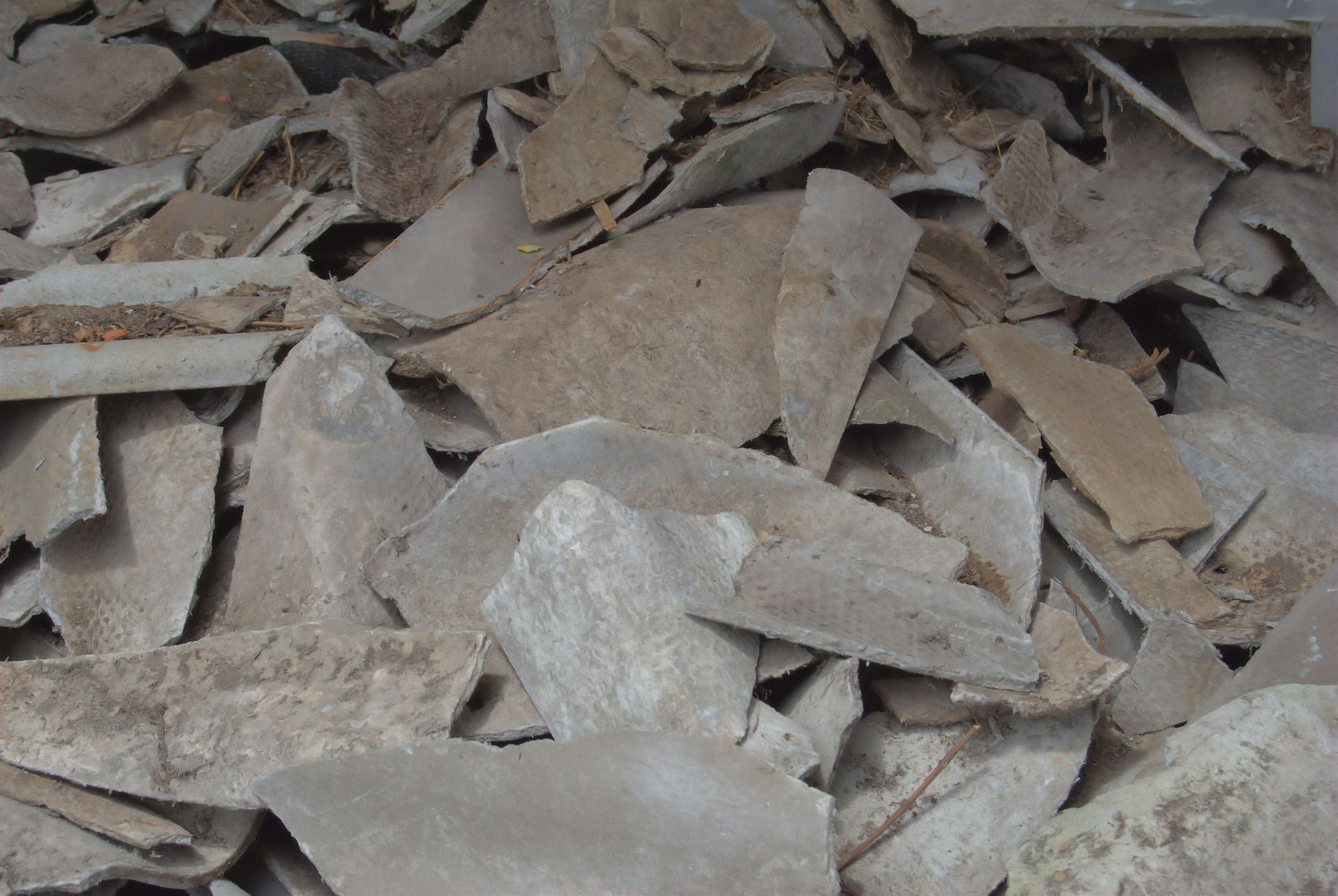
Systematically locating suspect materials within a facility requires an in-depth understanding of legacy construction practices and material compositions. High-risk zones typically include mechanical rooms, boiler basements, pipe chases, utility closets, and drop-ceiling plenums where thermal insulation was heavily applied. Inspectors carefully assess both friable materials, which easily crumble under hand pressure, and non-friable items like transite siding or durable floor tiles. Identifying these elements based on age, texture, and application allows technical teams to prioritize sampling locations while minimizing physical disturbance to intact structural components.
Quantifying exposure risks across distinct environmental zones requires observing how surrounding activities might impact suspect materials. High-traffic areas, spaces with active airflow, or zones subject to vibration present elevated risk levels if nearby hazardous materials begin to degrade. Workers in these environments may face increased exposure risks, necessitating stringent safety measures and protective protocols. According to MesotheliomaHope.com, OSHA currently places the permissible exposure limit (PEL) at 0.1 asbestos fibers per cubic centimeter of air. This limit highlights the need for air quality monitoring to ensure that workplace environments remain within safe exposure levels. Partnering with an asbestos testing service helps site managers continuously verify that internal air quality remains within these required statutory boundaries.
Establishing Protective Protocols and Personal Safety Measures
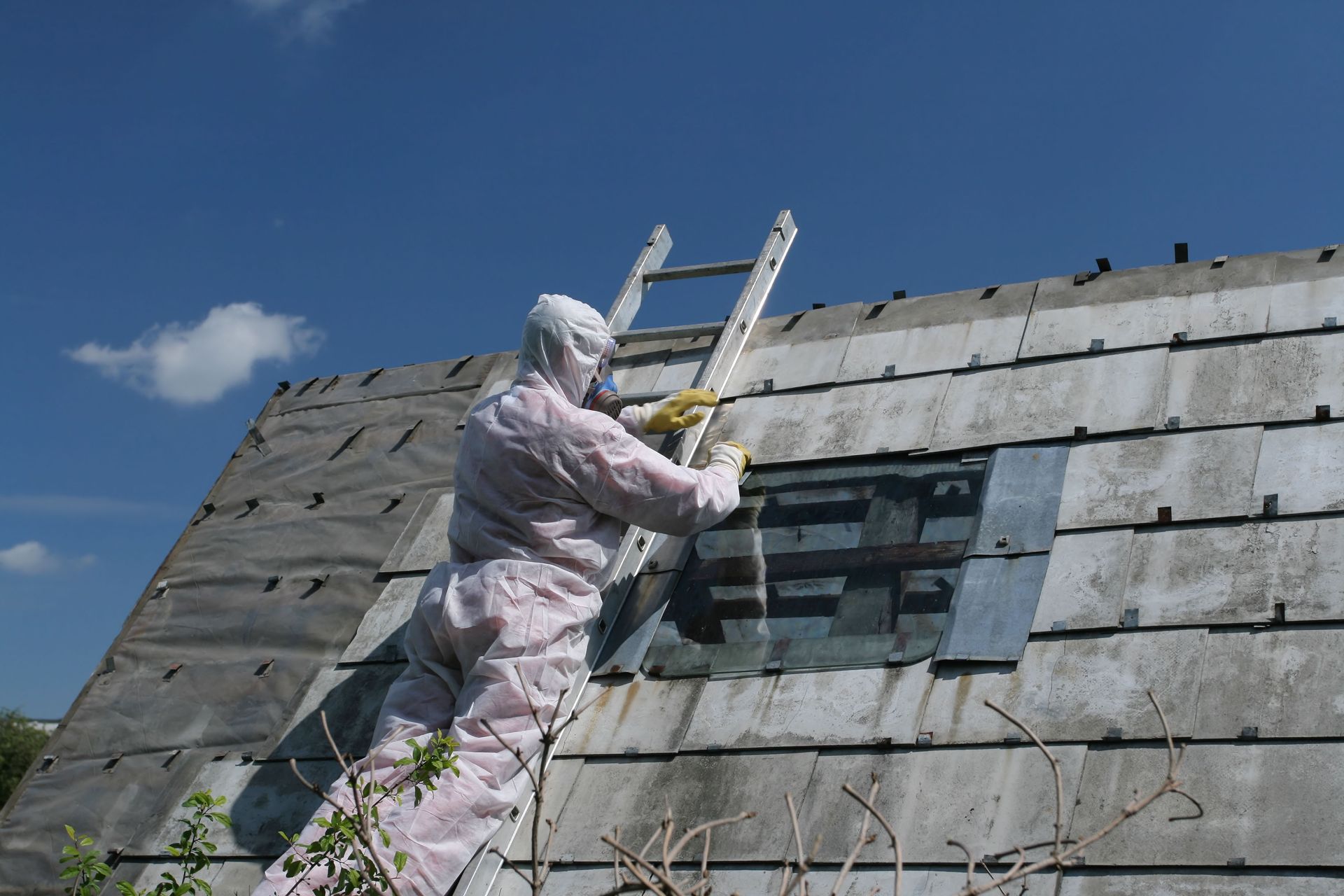
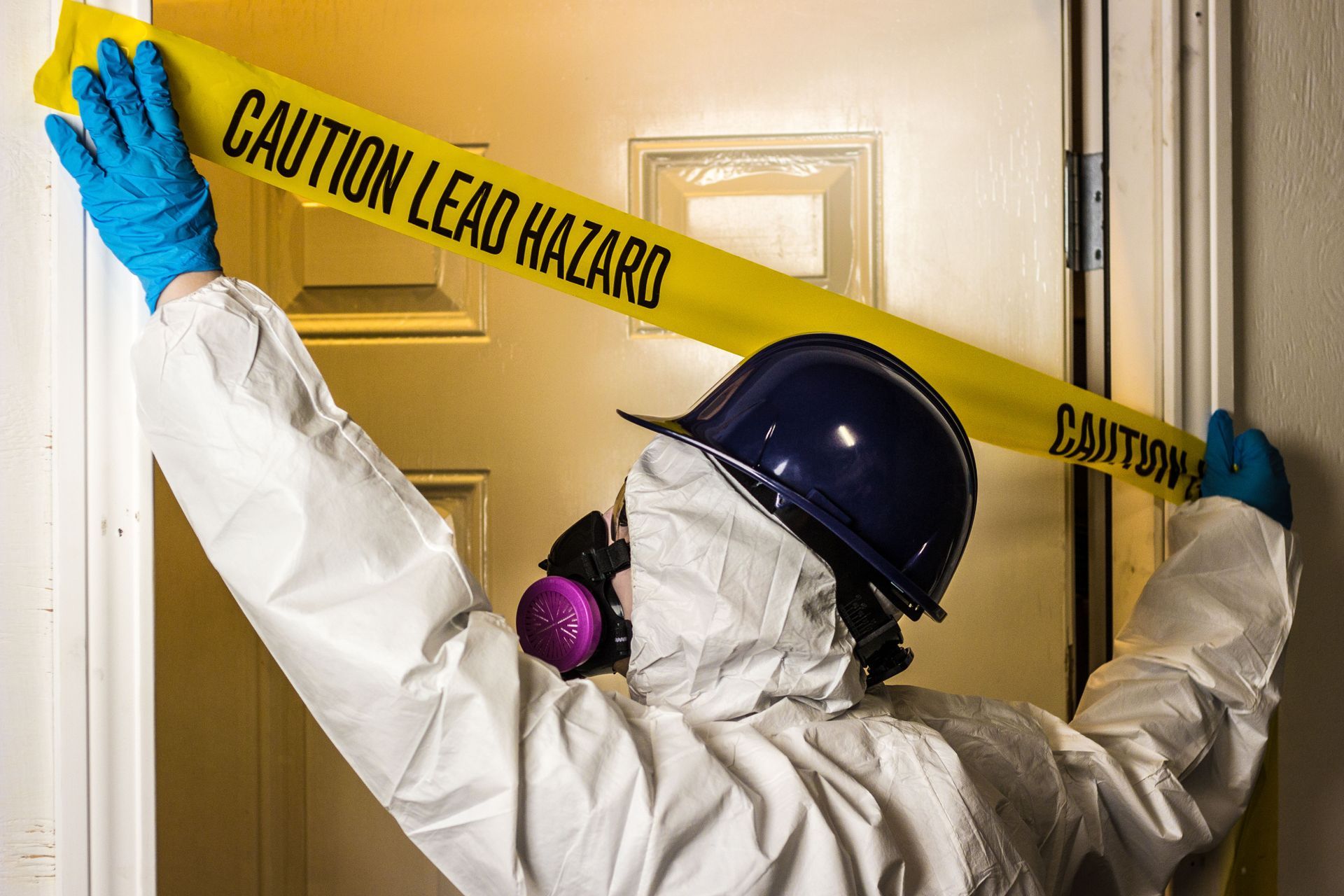
Safeguarding field personnel during an environmental evaluation requires strict adherence to specialized containment and safety procedures. Technical teams must equip themselves with high-efficiency particulate air respirators, disposable protective suits, durable gloves, and sealed footwear before entering high-risk areas. These personal protective measures prevent field technicians from inhaling hazardous airborne particles and prevent cross-contamination between different zones of a facility. Establishing clear decontamination zones at access points ensures that dust and debris remain isolated within the immediate assessment area throughout the operational period.
Implementing stringent safety controls extends beyond personal protective gear to include specific work area isolation practices. Field teams seal off adjacent HVAC vents, deploy local exhaust ventilation equipped with HEPA filtration, and restrict non-essential personnel from entering active evaluation spaces. Using wet-sampling methods and localized drop cloths prevents fiber release whenever physical material collection becomes necessary. Engaging a qualified asbestos testing service guarantees that all field operations conform to strict occupational safety regulations, keeping both the assessment team and building inhabitants completely safe from inadvertent exposure.
Collecting Samples and Executing Laboratory Analysis Procedures
Executing precise material sampling demands a disciplined, standardized approach to maintain sample integrity and prevent fiber release. Field technicians use specialized tools to extract small core samples from suspect insulation, plaster, or tile, immediately treating the disturbed area with wetting agents and high-grade sealants. Each collected specimen is placed into an airtight, leak-proof container, labeled with a unique tracking identifier, and logged onto a detailed chain-of-custody document. Proper chain-of-custody tracking guarantees that every sample maintains its legal and scientific integrity from the moment of collection until final laboratory processing.
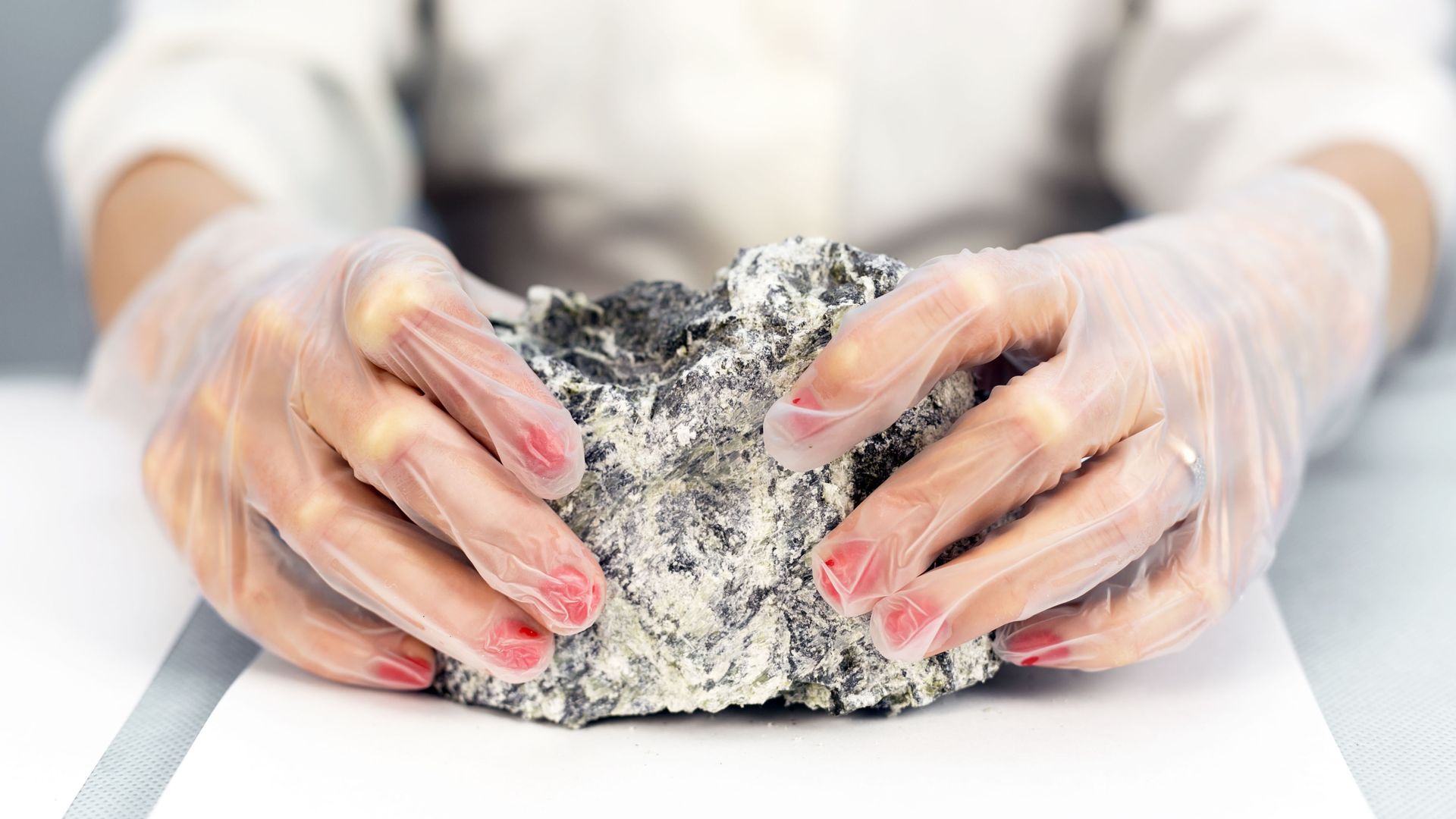
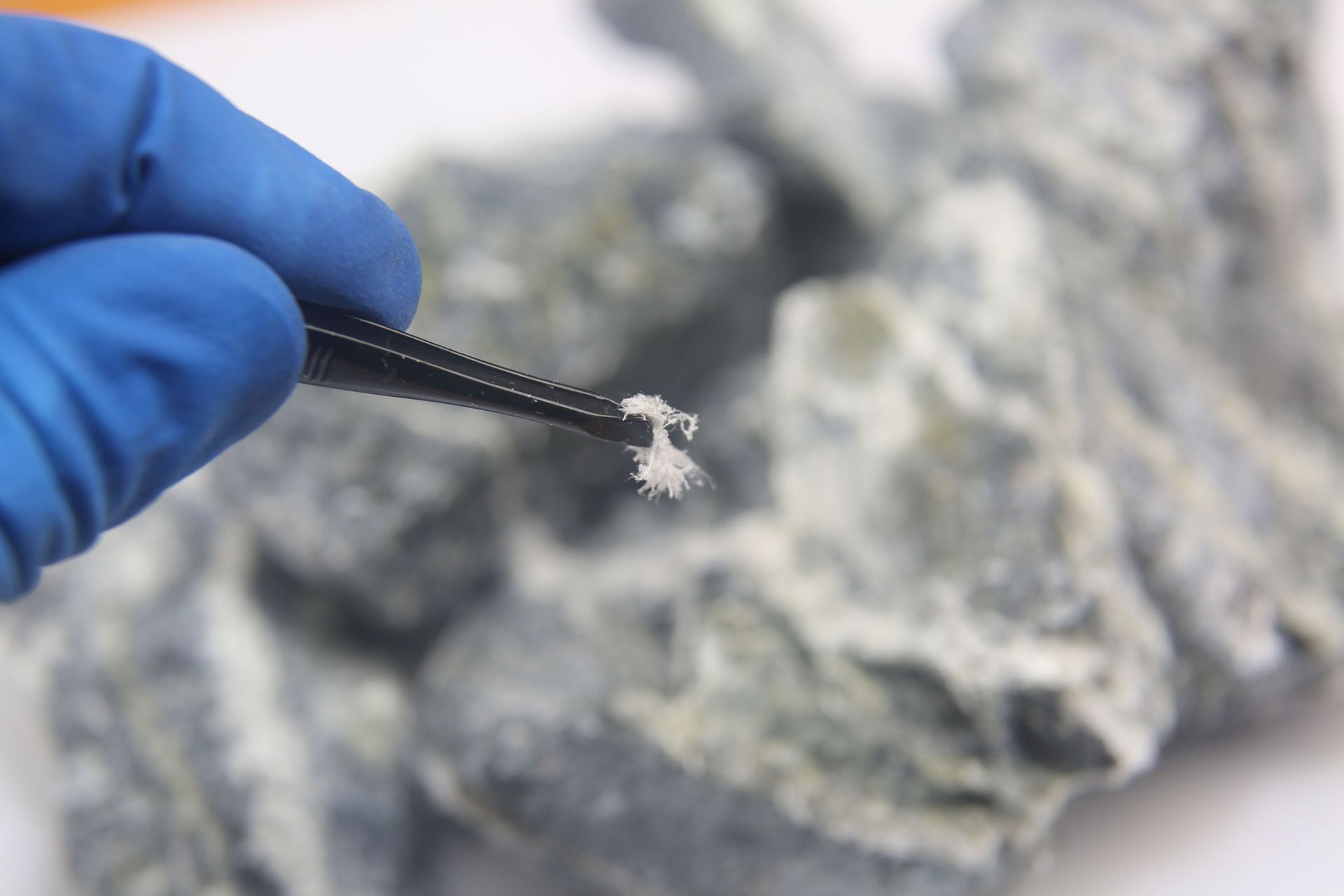
Accredited laboratory analysis utilizes advanced microscopy techniques, such as polarized light microscopy or transmission electron microscopy, to definitively confirm fiber presence and concentration. Polarized light microscopy allows analysts to differentiate specific mineral fiber types based on unique optical properties, while transmission electron microscopy offers higher magnification for complex or non-friable matrices. Accurate laboratory findings give property owners definitive data regarding the precise composition of suspect materials across their facilities. Relying on an asbestos testing service ensures that all physical samples are processed inside accredited laboratories following standardized analytical protocols.
Formulating Mitigation Plans and Regulatory Compliance Reports
Synthesizing raw laboratory data into actionable compliance documentation marks the final phase of a thorough property evaluation. A detailed final assessment report outlines specific material locations, physical condition ratings, sample test results, and quantitative risk classifications for every inspected area. This documentation provides property managers with a clear blueprint for managing intact materials safely or initiating formal abatement procedures where degraded components pose immediate health concerns. Comprehensive reporting fulfills legal disclosure requirements, helping building owners avoid costly regulatory penalties and potential liability issues.
Developing long-term operations and maintenance strategies ensures that intact hazardous materials remain undisturbed throughout the remaining lifespan of a building. These management plans establish mandatory re-inspection schedules, specialized cleaning standards, and clear contractor notification guidelines for future renovation projects. Property owners gain complete operational clarity by having a definitive record of all environmental conditions within their real estate portfolio. Consulting an asbestos testing service provides building stakeholders with the authoritative data needed to execute effective, fully compliant environmental safety strategies.
Maintaining safe indoor environments requires ongoing vigilance, expert knowledge, and strict adherence to established environmental health standards. By utilizing a comprehensive inspection checklist, property managers can systematically identify potential hazards, control exposure risks, and ensure full compliance with federal and state regulations. Thorough historical research, precise visual evaluations, safe material sampling, and accredited laboratory testing form the pillars of effective property management. Investing in proactive safety evaluations protects building occupants, preserves property value, and prevents unexpected disruptions during future construction or maintenance projects.
Taking proactive steps today ensures long-term safety, regulatory compliance, and operational peace of mind for property owners and managers alike. Working alongside certified environmental professionals remains the most reliable path toward identifying hidden hazards and implementing effective remediation strategies. For complete structural evaluations, authoritative reporting, and expert environmental guidance, contact EnviroBrite Inspections, Inc to schedule a comprehensive
asbestos testing service today. Professional oversight safeguards your facility, protects public health, and ensures your property meets all modern environmental safety standards.

Share On: